
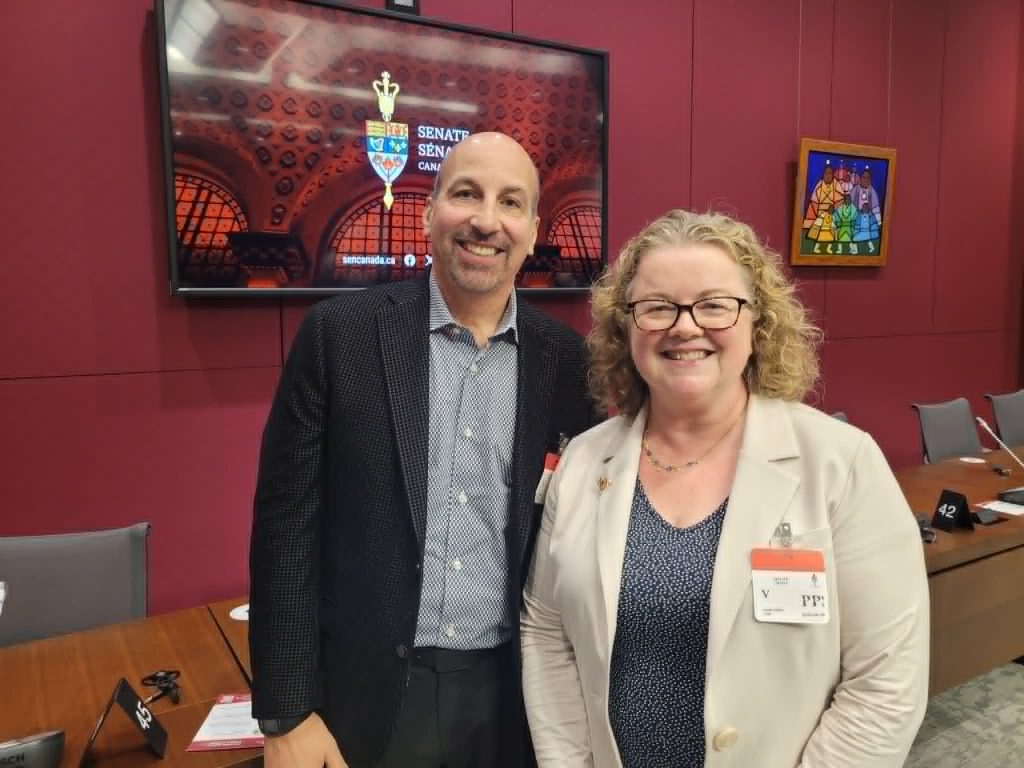
Standing Senate Committee on Foreign Affairs and International Trade (AEFA)
Study on CUSMA and Canada’s Trade Relationships with the United States and Mexico
June 10, 2026
You can watch the CKCA presentation here»
Opening Remarks by: Sandra Wood, Executive Director, Canadian Kitchen Cabinet
Association
Chair, Honourable Senators,
Thank you for the opportunity to appear before you today.
The Canadian Kitchen Cabinet Association represents manufacturers across Canada that produce kitchen cabinets, bathroom vanities, and related products. Our members are primarily small and medium-sized businesses operating in communities across the country. Together, the sector supports more than 25,000 jobs, 3,700 businesses and contributes approximately $4.7 billion annually to Canada’s economy.
Our industry is an important example of value-added manufacturing, transforming Canadian forestry products into finished goods that support housing construction, economic growth, and employment across Canada.
Our industry is experiencing first-hand how changing trade patterns and supply chain disruptions can directly affect Canadian manufacturers.
While the United States delayed a planned increase in tariffs from 25 percent to 50 percent until January 1, 2027, the current tariff remains in place and continues to affect Canadian manufacturers. Meanwhile, Canada is increasingly experiencing trade diversion as imported products seek alternative markets.
Since 2019, cabinet imports into Canada have grown by approximately 20 percent annually. In the last 18 months alone, import values increased from $176 million to $231 million, while import volumes rose from 3.7 million to more than 5 million units.
Cabinet imports into Canada have increased dramatically as global trade flows have shifted. Much of this growth has originated from Asia, particularly China and Southeast Asia, as suppliers sought alternative markets in response to changing North American trade policies.
At the same time, the United States has taken action to address import surges and trade distortions in the wood products sector through Section 232 tariffs, including a 25 percent tariff on kitchen cabinets and vanities.
These pressures are having real consequences. Many manufacturers have experienced significant revenue declines, reduced production, delayed investments, workforce reductions, and facility closures. Our members have already had to lay off employees or scale back operations. These are often family-owned businesses that have operated in their communities for decades. For example, South Shore Furniture, a Quebec furniture company in operation since 1940, has had to shut its operations and layoff over 120 staff in late April. Companies across Ontario, British Columbia and other parts of the company are cutting staff and reducing production capacity.
As Canada prepares for the Review, it is important to recognize that manufacturing capacity is a strategic asset. Strong North American trade depends not only on the movement of raw materials but also on maintaining competitive value-added manufacturing industries that create jobs and investment.
There are three key priorities:
- First, Canada should recognize value-added manufacturing sectors such as cabinet manufacturing as strategic contributors to economic security, supply chain resilience, and North American competitiveness.
- Second, the government should continue expanding opportunities for Canadian-made products or “Buy Canada products” through procurement policies and housing initiatives that support domestic manufacturing capacity.
- Third, Canada should ensure that trade remedy and safeguard mechanisms are responsive when industries face significant market disruption. By the time relief measures are implemented, considerable damage has often already occurred.
Finally, as Canada enters the Review, policymakers should not only consider the largest sectors that are being impacted, but also the growing use of Section 232 tariffs on downstream value- added wood products, including kitchen cabinets and vanities.
January 1, 2027 is fast approaching. Unless alternative arrangements are reached, the U.S. tariff on kitchen cabinets and vanities is scheduled to increase from 25 percent to 50 percent. Combined with ongoing import pressures from Asia, this creates significant uncertainty for Canadian manufacturers at a time when many businesses are already under strain.
Thank you. I look forward to your questions.
Full Video: Standing Senate Committee on Foreign Affairs and International Trade
 Denis Mai is Technical Manager at Kekuli Bay Cabinetry Ltd. in Vernon, British Columbia, where he brings extensive hands-on experience in kitchen cabinet manufacturing, production, and technical operations. Throughout his career, Denis has developed a strong understanding of the operational and engineering side of cabinet manufacturing, with particular expertise in automation, production systems, strategic planning, and manufacturer–supplier collaboration. His practical industry knowledge, combined with day-to-day leadership in a manufacturing environment, gives him a valuable perspective on the challenges and opportunities facing Canadian cabinet manufacturers today.
 Chris Havey brings more than 20 years of experience in the kitchen and woodworking industry, with a career spanning manufacturing, supply chain, product development, and strategic operations. He currently serves as Director of Product Development at CNC Automation, where he focuses on innovation, automation, and building new partnerships across the industry. Prior to joining CNC Automation, Chris spent 19 years with Deslaurier Custom Cabinets in senior leadership, leading initiatives in supply chain management and new product introduction. His broad experience gives him a unique perspective from both the manufacturer and supplier sides of the industry.
 Corey Laurysen is Vice President of Sales & Service at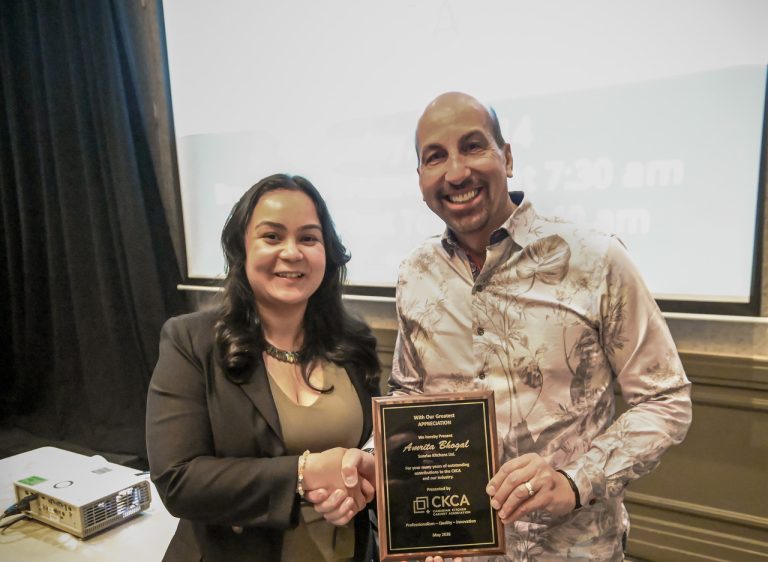


 Any topic relevant to the kitchen cabinet industry may be discussed during CKCA roundtable sessions. Any information shared by other roundtable participants is voluntary. The advice and experiences shared is for the sole purpose of providing perspective and opinion that may be helpful to other roundtable participants, it is not paid professional advice. CKCA does not assume any responsibility for how roundtable participants use this information shared during these sessions. CKCA encourages participants to seek professional advice as needed. Discussions on specific pricing, discounts or price changes with competitors or suppliers may support anti-competitive behaviour and is not permissible during roundtable discussions.